Sylvanus Morley ’04: Agent 53 and Archaeologist at Mayan Chichén Itzá
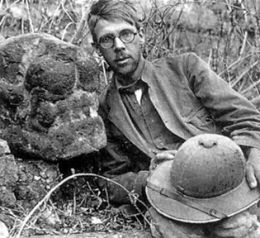
Sylvanus Morley may best be known for his Excavations at Chichen Itza, the discovery of the Temple of the Warriors and his study of the pre-Columbian Maya civilization. He also is known as Agent No. 53 for his work as a spy for the Office of Naval Intelligence (ONI) during World War I.
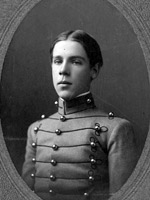
Colonel Benjamin F. Morley, was a professor of chemistry, mathematics and tactics at PMC Although the family had moved to Colorado, the Colonel encouraged his son to study engineering. Morley enrolled at PMC and graduated at the top of his class, receiving a degree in Civil Engineering. He then promptly enrolled at Harvard and began his study of archaeology, his life long passion.
After several years at the Museum-affiliated School of American Archaeology in Santa Fe, Morley was appointed Research Associate for the Carnegie Institute. This permitted him to lead a series of expeditions to Central America.
In March 1917, Morley approached ONI and suggested that specialists, including himself, in Mexico and Central America were willing to become intelligence agents using their professional activities as cover. In April, with only basic instructions from ONI and no training, he was sent to Guatemala City. His mission for ONI was to search for secret German submarine bases; and, build an intelligence network in Central America while conducting an “archeological reconnaissance” for the Carnegie Institute. For the next 2 years, he traveled more than 2,000 miles along the coastline of Latin America. As he traveled through Nicaragua, Honduras, Guatemala, and Mexico, he recruited an extensive network of agents who kept watch on the activities of German nationals.
Morley’s career as a spy ended in 1919. During that time he proved to be a remarkable gatherer of intelligence. Once it became clear that there were no German submarine bases, he provided useful economic and political intelligence.
Share Link: https://pmc.widener.edu/pmc/legacies/cadets/sylvanus-morley-04-agent-53-and-archaeologist-mayan-chichen-itza
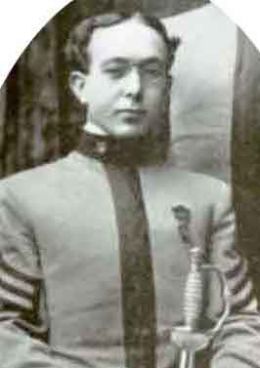
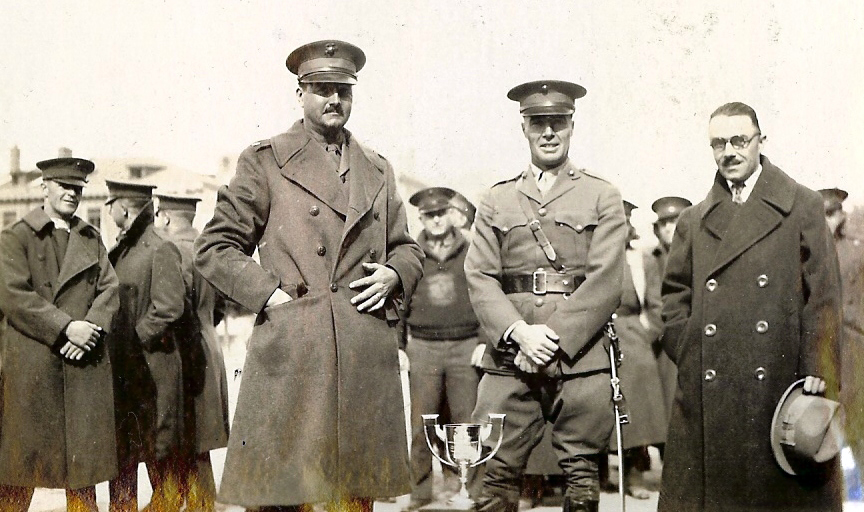 In 1935, he joined the Fourth Marines at the American Legation in Shanghai, China. Price was promoted to Brigadier General in 1940 and assumed command of the Department of the Pacific in 1941. After the Japanese attacked Pearl Harbor, he was promoted to Major General and placed in command of the Second Marine Division. He assumed command of the Defense Force, Samoan Group, in 1942. His assignment was to secure the approaches to Samoa Islands. His efforts in occupying and developing the U.S. presence on the Ellice Islands made the seizure of the Gilbert Islands possible, thereby opening the Central Pacific. For his ability, perseverance and tact he was awarded the Legion of Merit Medal with the Combat “V” for heroism during direct participation in combat operations by Admiral Chester W. Nimitz, Commander in Chief, Pacific Ocean Areas (CinCPOA), for U.S. and Allied air, land, and sea forces during World War II.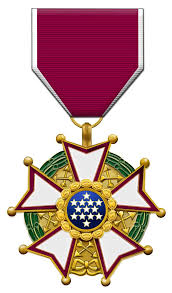
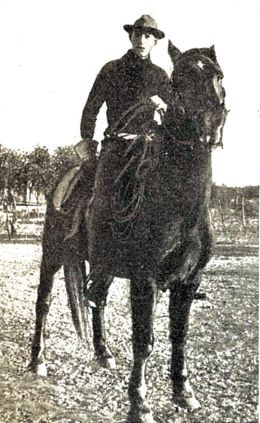
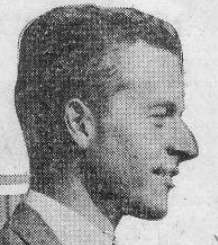
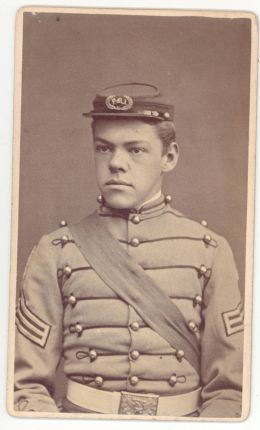
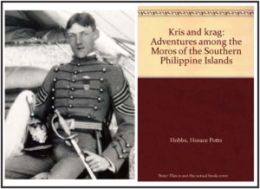
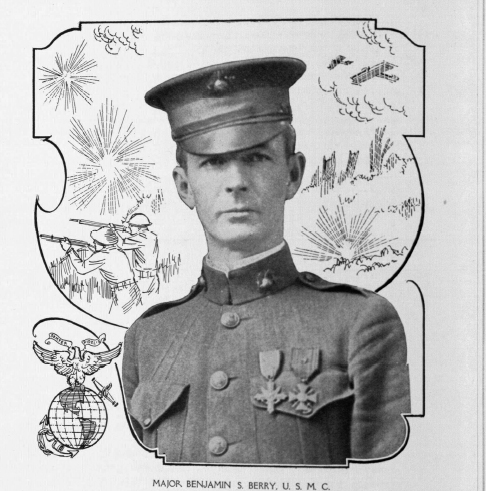 On June 6, the 3rd Battalion 5th Marines (3/5), commanded by Major Benjamin S. Berry advanced from the west into Belleau Wood as part of the Allied effort to take the village of Bouresches. As the first waves of Marines made their frontal assault, in a well-disciplined line, they had to go through a meadow of murderous machine gun fire. Almost immediately, Major Berry was wounded in his forearm. Marines attacked the woods six more times before the Germans were successfully expelled.
 5th Machine Gun Battalion, 5th Marines, 2nd Infantry Division AEF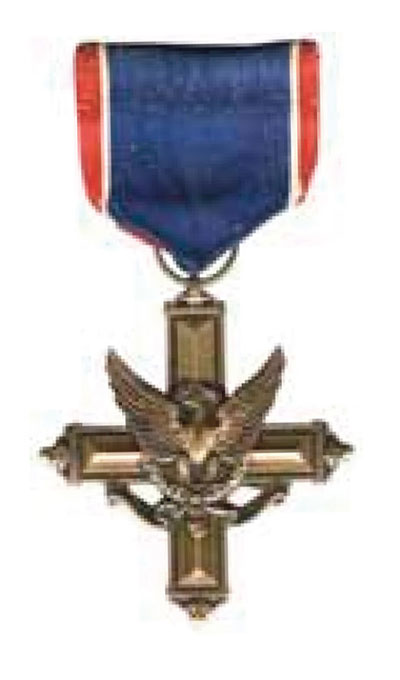
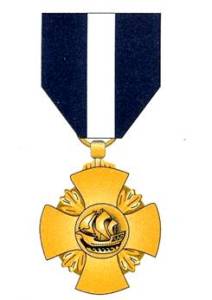
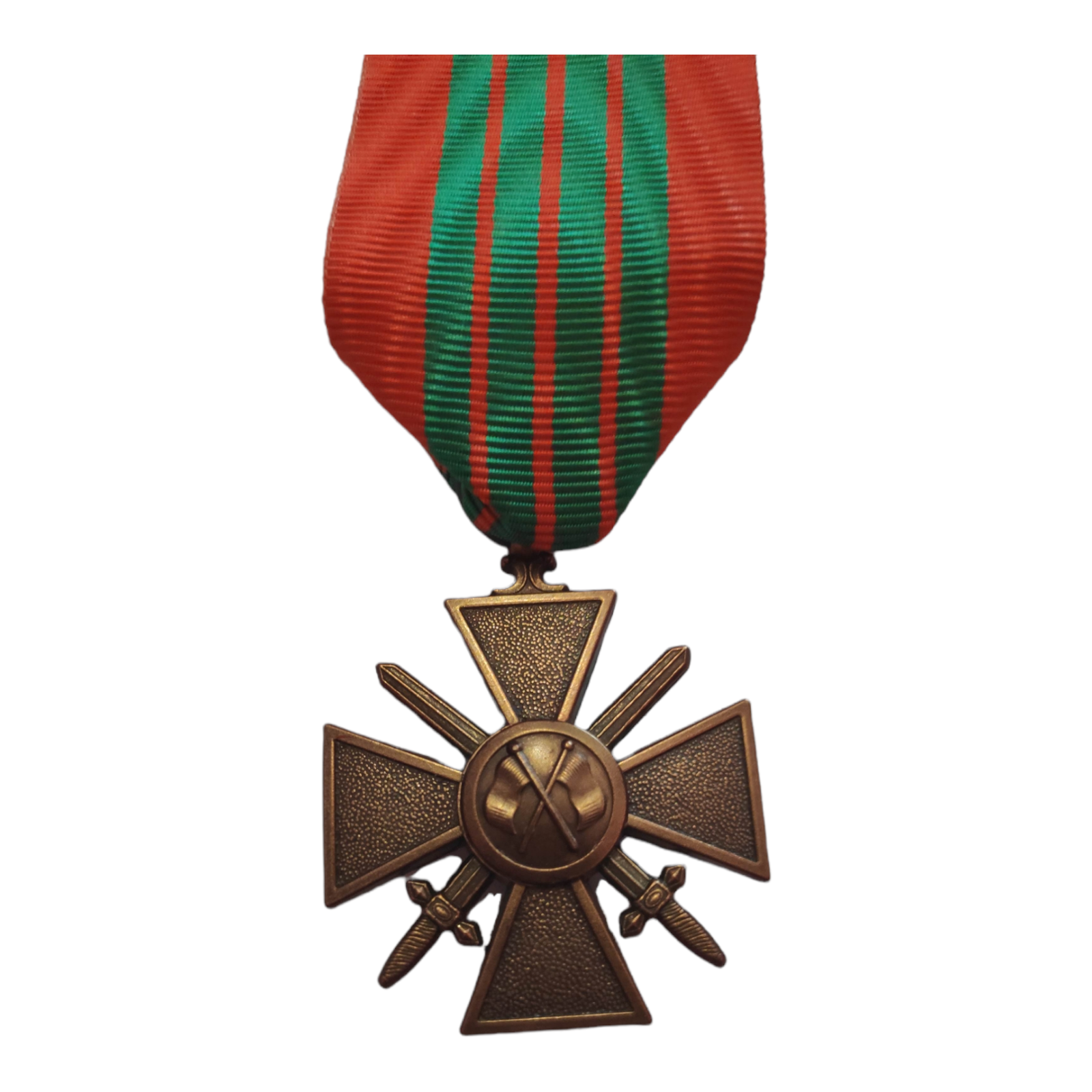 Navy Cross and Croix de Guerre for gallantry in action in the Bois-de-Belleau, northwest of Chateau-Thierry, France.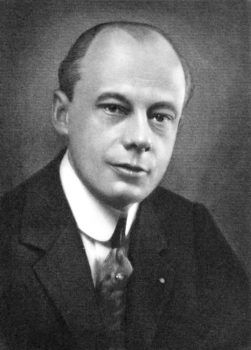
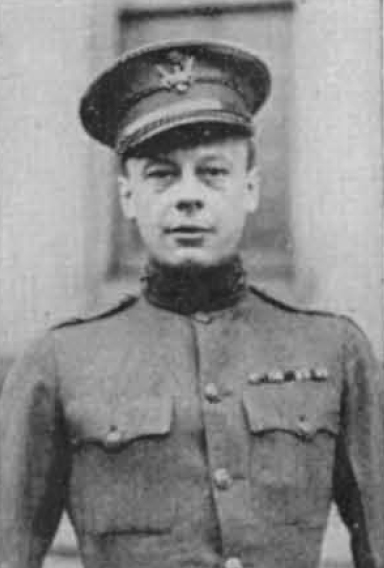 After Commencement, Mehard began his study of law at the Pittsburgh Law School and was admitted to the Allegheny County bar in 1903. Yet, his military aspirations remained. He enlisted in the Pennsylvania National Guard and was commissioned a First Lieutenant in 1903. As World War I approached, Mehard was commissioned into the U.S. Army under the National Defense Act of 1916, and assigned as an instructor at Fort McPherson, GA. On August 15, 1917, he was assigned to the 321st Field Artillery, 157h Brigade, 82nd Division AEF as a Major. After completing School of Fire at Fort Sill, OK, Mehard remained as a senior instructor. In May of 1918, he was ordered to rejoin the 321st Field Artillery in France. He led his troops through the second Battle of the Marne the St. Mihiel offensive, and throughout the entire Meuse-Argonne operation. Despite being severely gassed at L’Esperance, he was twice cited for gallantry in action. After the Armistice, he returned to America, and appointed Colonel of the field artillery of the Pennsylvania National Guard. In 1923 he was promoted to Brigadier General and commander of the 53rd Field Artillery Brigade.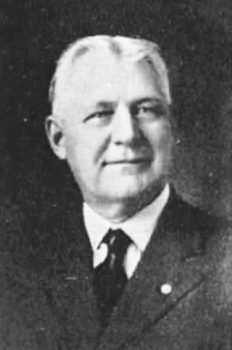
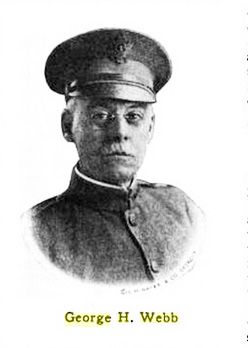
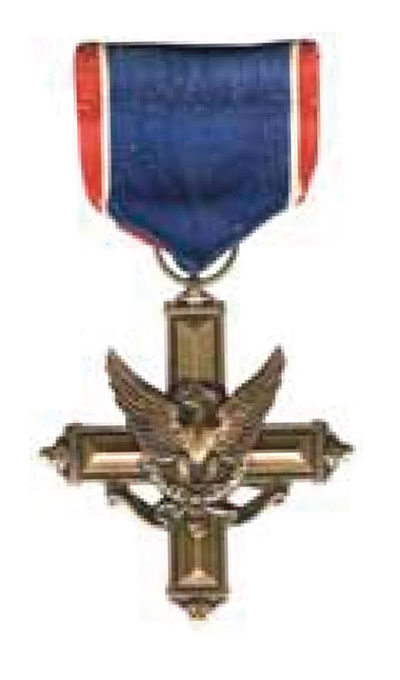
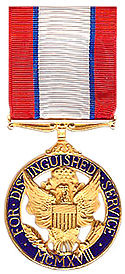 In July, 1919, Colonel Webb was awarded the Army’s Distinguished Service Medal for: “exceptionally meritorious and distinguished services … with the execution of some of the largest construction enterprises in France. Confronted by difficulties of labor, material, and equipment, he set about his task with ceaseless energy, and by his resourcefulness, initiative, and skill he overcame all obstacles and completed these difficult projects with great success.”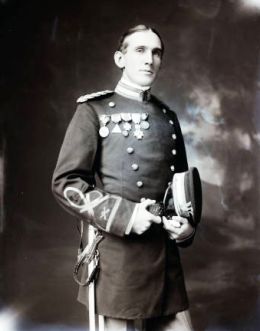
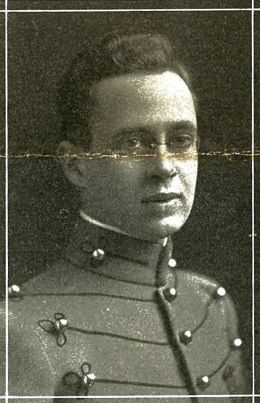
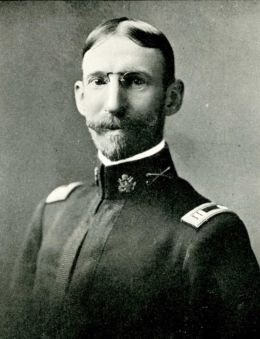
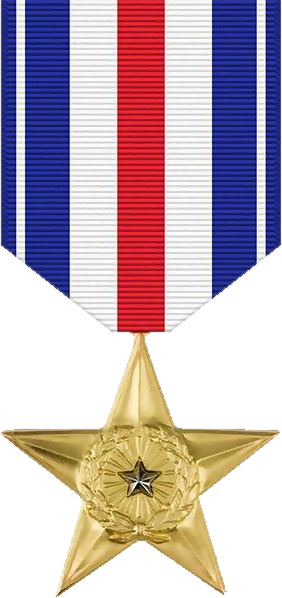
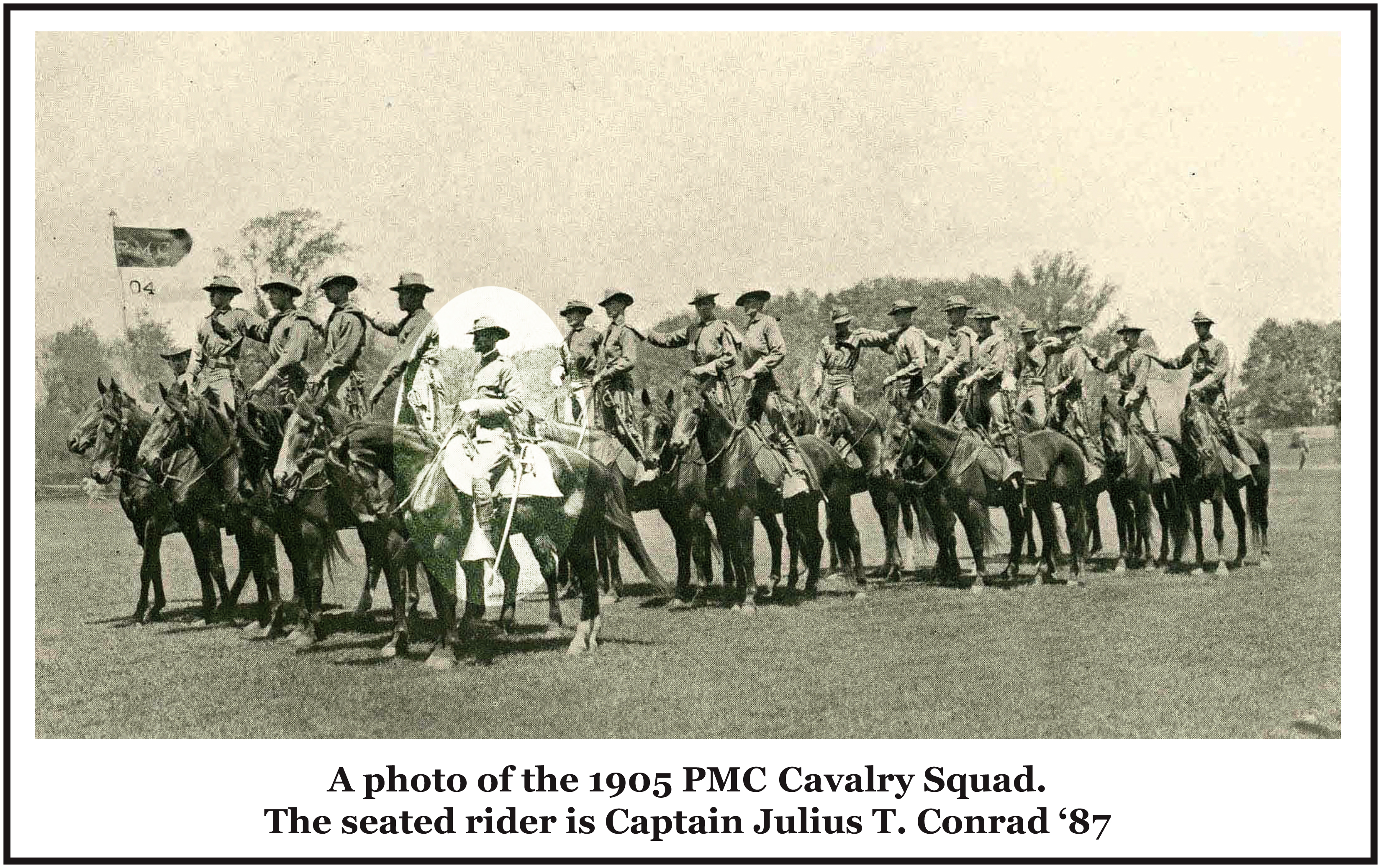 During the Spanish-American War, the 3rd Cavalry was one of five cavalry units assigned to the crucial assault on San Juan Heights. Three troopers in the regiment were killed and 52 wounded in the action, including 2nd Lt. Conrad, who was shot in the ankle. Conrad was also one of five troopers in the battle awarded a Silver for distinguished gallantry.