Charles F. B. Price ’02: Marine Leader Across Half a Century of Conflict
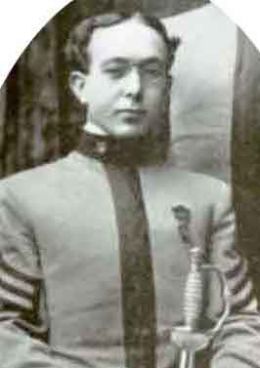
Charles Frederick Berthold Price was born in Germany of American parents. He and his parents returned to America when Price was six months old. His family settled in Wayne, PA. Price entered PMC in 1898. At PMC, he was a talented musician; particularly in his rendition of “Taps”. In his 2nd Class (Junior) Year, he was appointed Chief Musician, which meant he kept the PMC Bugle Corps in shape. As a First Classman (Senior), he commanded “B” Company as a Cadet Captain. The Porcupine Annual (then the PMC Yearbook) described Price as: “an advocate for the Extermination of Room Inspectors.” It was written that to avoid the “exertion” of making his bed every morning, he “nailed his sheets and blanket to the bed.” He slept on the floor with a spare blanket. Yet, his classmates considered him to be a “good fellow…and a kind officer.”
After graduation, Price was employed by the Pennsylvania Railroad and served in the Philadelphia City Cavalry of the Pennsylvania National Guard. In 1906, he was commissioned a Second Lieutenant in the Marine Corps and ordered to Annapolis for training. During the Spanish-American War, President Theodore Roosevelt ordered Price and a Marine Expeditionary Force to “protect American lives and property” in Cuba. Price remained there until 1908. He returned to the U.S., but after a few months, he joined the Central American Expeditionary Force. Later deployments included: Panama during the construction of the Panama Canal; Vera Cruz during the Mexican Intervention in 1914; France, shortly before and after the armistice ending WWI; and Nicaragua.
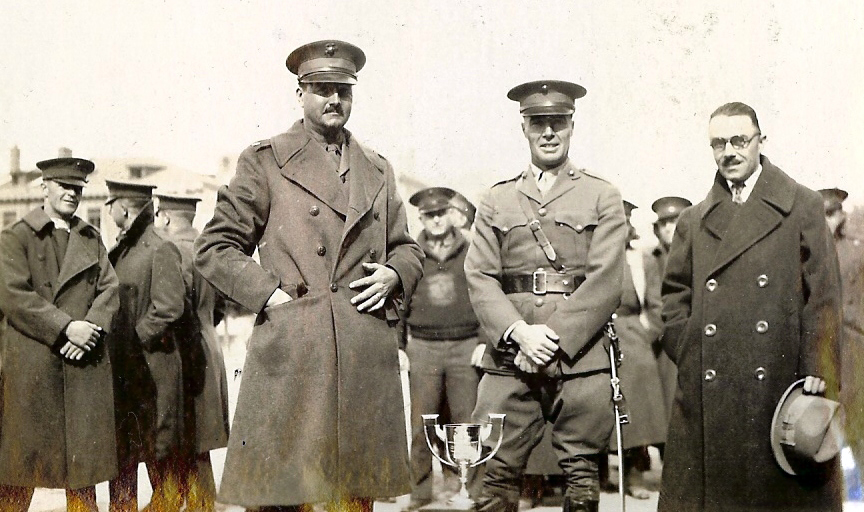 In 1935, he joined the Fourth Marines at the American Legation in Shanghai, China. Price was promoted to Brigadier General in 1940 and assumed command of the Department of the Pacific in 1941. After the Japanese attacked Pearl Harbor, he was promoted to Major General and placed in command of the Second Marine Division. He assumed command of the Defense Force, Samoan Group, in 1942. His assignment was to secure the approaches to Samoa Islands. His efforts in occupying and developing the U.S. presence on the Ellice Islands made the seizure of the Gilbert Islands possible, thereby opening the Central Pacific. For his ability, perseverance and tact he was awarded the Legion of Merit Medal with the Combat “V” for heroism during direct participation in combat operations by Admiral Chester W. Nimitz, Commander in Chief, Pacific Ocean Areas (CinCPOA), for U.S. and Allied air, land, and sea forces during World War II.
Price returned to the San Diego area in 1944. The following year he retired. He continued to live in the San Diego area until his death in 1954.
Military Honors & Valor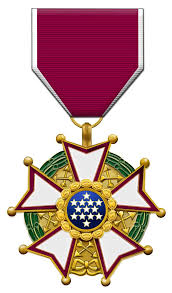
Headquarters, 2nd Marine Division, Fleet Marine Force (FMF) Pacific
Legion of Merit w/V for heroism during direct participation in the defense of the Samoa Islands during the period of 1942 and 1944.
Share Link: http://pmc.widener.edu/pmc/legacies/cadets/charles-f-b-price-02-marine-leader-across-half-century-conflict
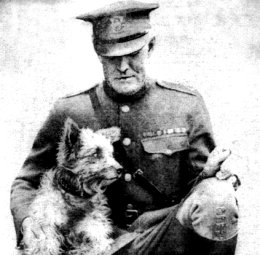
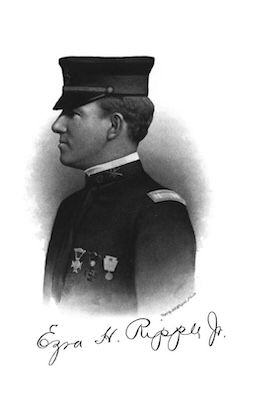
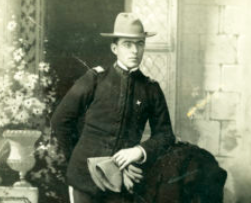
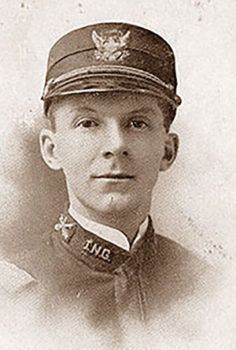
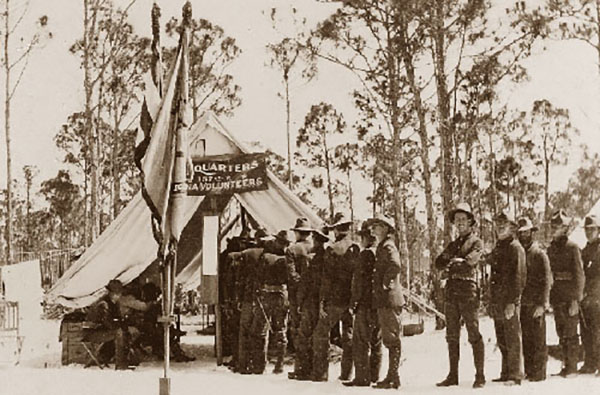 The 157th Regiment was the first organization of volunteers to be mustered into the Volunteer Service for the Spanish-American War. The regiment reported to Camp George H. Thomas at Chattanooga National Military Park, Chickamauga in Georgia. Due to the slow process of examining and passing the physical exam, the regiment was accepted by the United States Army after some delay. The regiment moved to Port Tampa City (FL) where it remained until it was ordered to return to Indianapolis for muster out of service.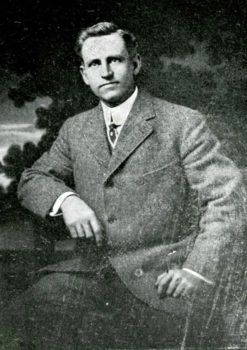
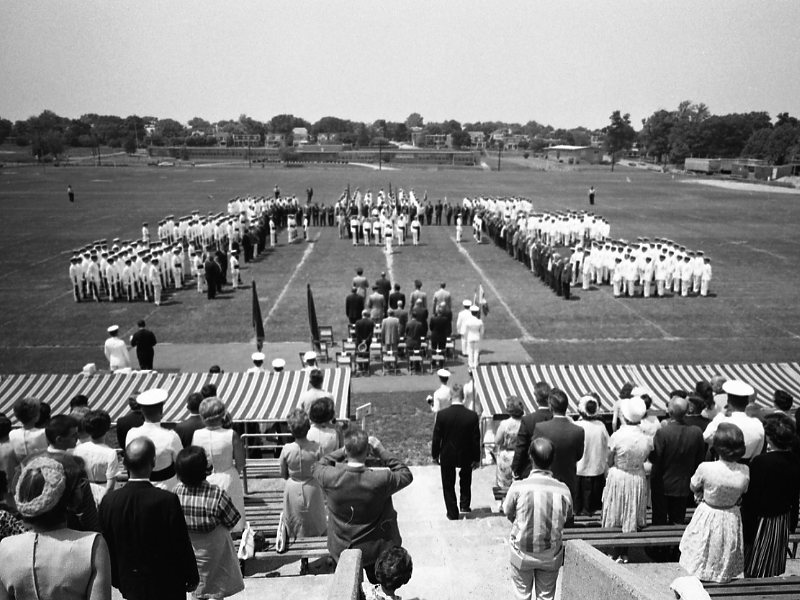 The parents of John W. Loveland were descendants of English gentry and were successful merchants in the Scranton, PA, area. After completing his early education, he entered Pennsylvania Military College, from which he was graduated in 1887 as a Civil Engineer. He continued his studies as a Post-Graduate at Yale University in 1888, and afterward attended Columbia Law School. He then studied in the offices of well-known New York patent lawyers. Loveland was admitted to the New York Bar in 1891 and the United States Supreme Court in 1892. He then opened the firm Loveland & Billings and earned an enviable reputation as a patent lawyer.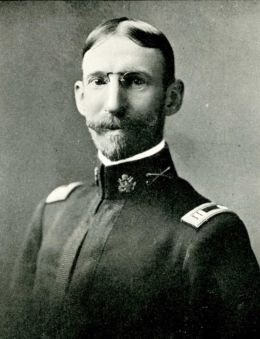
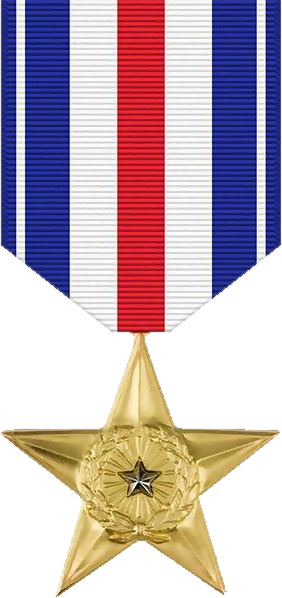
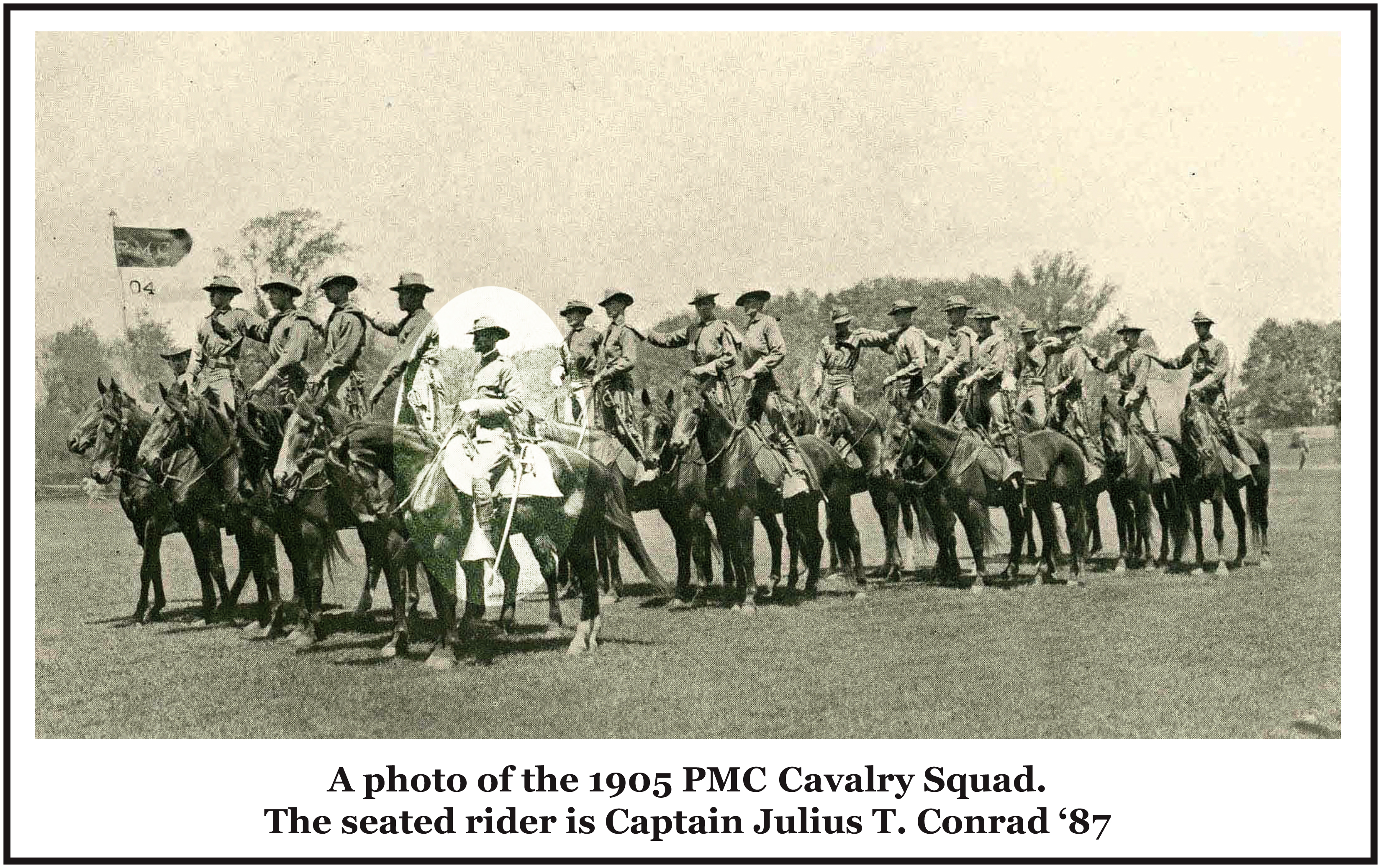 During the Spanish-American War, the 3rd Cavalry was one of five cavalry units assigned to the crucial assault on San Juan Heights. Three troopers in the regiment were killed and 52 wounded in the action, including 2nd Lt. Conrad, who was shot in the ankle. Conrad was also one of five troopers in the battle awarded a Silver for distinguished gallantry.
 3rd Squadron, Troop K, 3rd Cavalry Regiment