Percival G. Lowe ’83: Frontier Scout and Expedition Leader
Percival G. Lowe was born in 1863 in Leavenworth, Kansas. He completed his education in the local schools and entered PMC in 1880. He graduated from PMC in 1883 as an honor student, “First Captain” of the Corps of Cadets and received a C.E. (Civil Engineering) degree. Lowe returned to Leavenworth and for the next two years was employed as an assistant city engineer. In 1885 he enlisted in the 18th U.S. Infantry. He was commissioned a Second Lieutenant of Company B in 1889 and graduated from the infantry and cavalry school in 1895.
He was sent to Fort Bliss, Texas, in 1896 and placed in command of the Seminole-Negro Indian Scouts. Under his leadership, the Scouts had played a pivotal role in ending violations of U.S. neutrality laws by Mexican revolutionaries and bandits in Texas, including the killing of Mangas de Agua, described as the most desperate of all the bandits.
Alaska-expedition
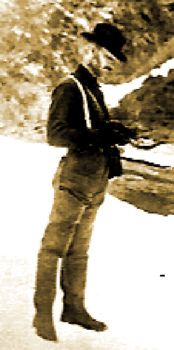
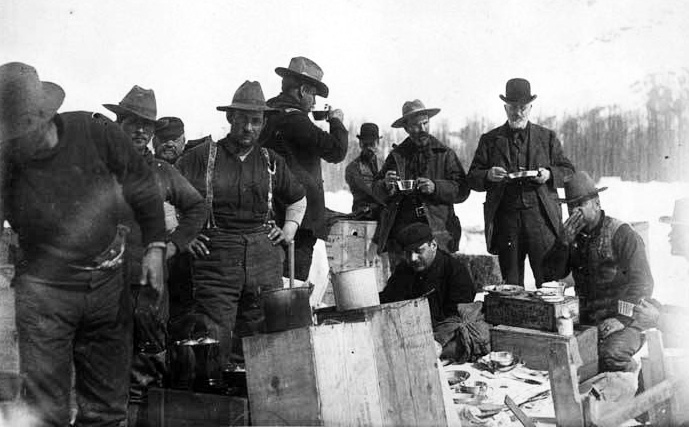 In 1898, Secretary of War Russell Alger ordered three military expeditions to explore Alaska. Captain William R. Abercrombie, U.S. Army, commanded the second expedition. Upon his arrival, Abercrombie divided his party into two groups. The first was to make reconnaissance surveys of the Prince William Sound and the second, led by Lowe, was to navigate and chart the overland trail from Valdez to the Yukon River. Perhaps the most noteworthy event of Lowe’s expedition occurred when Abercrombie named the Lowe River after him, reportedly because of his endurance and scouting abilities.
In the spring of 1899, Lowe was promoted to Captain, given command of L Company in the 25th Infantry. and deployed to the Philippines. Lowe’s reputation as an Indian fighter and navigator was well-known when he arrived in the Philippines. As a result, General Henry W. Lawton assigned Lowe to be his chief of scouts. With the help of his friend from the Abercrombie Exploration of Alaska, Lieutenant Joseph C. Castern, 4th Infantry, Lowe pulled together a core group of enlisted men and Tagalog scouts. Henceforth they were known as “Lowe’s Scouts.“ With the need for more forces to garrison and patrol the territory, the number of Lowe Scouts increased. Within a year, over 100 Ilocano recruits were raised and “Lowe’s Scouts” grew to 250 soldiers. In addition, this unit became an integral part of the growing intelligence network of native spies and informants.
Seminol-Negro-Scouts
In October 1899, a plan developed to deal with Filipino revolutionary positions in the Cabanatuan area. American troops were to make a frontal attack at night, with Lowe’s Scouts, commanded by Lt. Castern, supporting the attack on its right flank. The fight was over by noon without any American casualties and the revolutionaries fleeing in disarray. This was the first real fight that included the scouts. During the battle this small force moved quickly and struck the entrenched revolutionaries hard. More importantly they proved their loyalty to the American forces.
The challenge of managing the scouts in the Philippines took a heavy toll on Lowe’s health and he was sent back to the U.S. By 1903, he had retired from military and was confined to the hospital in Colgate, Oklahoma. He died in 1910 at the age of 47.
Military Honors & Valor 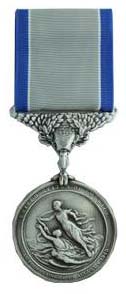
18th Infantry, Seminole Negro-Indian Scouts
Silver Lifesaving Medal for heroism in rescuing a Seminole Negro-Indian scout from drowning in the Pecos River, near Eagle Nest, Texas.
Share Link: http://pmc.widener.edu/pmc/legacies/cadets/percival-g-lowe-83-frontier-scout-and-expedition-leader
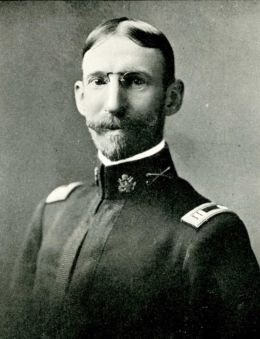
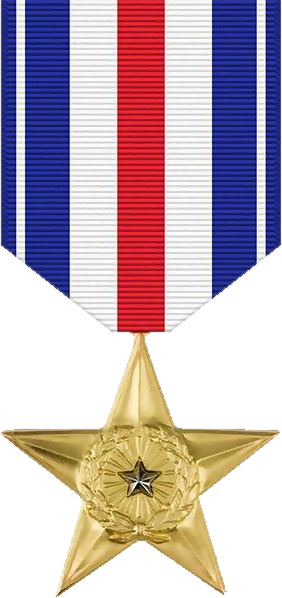
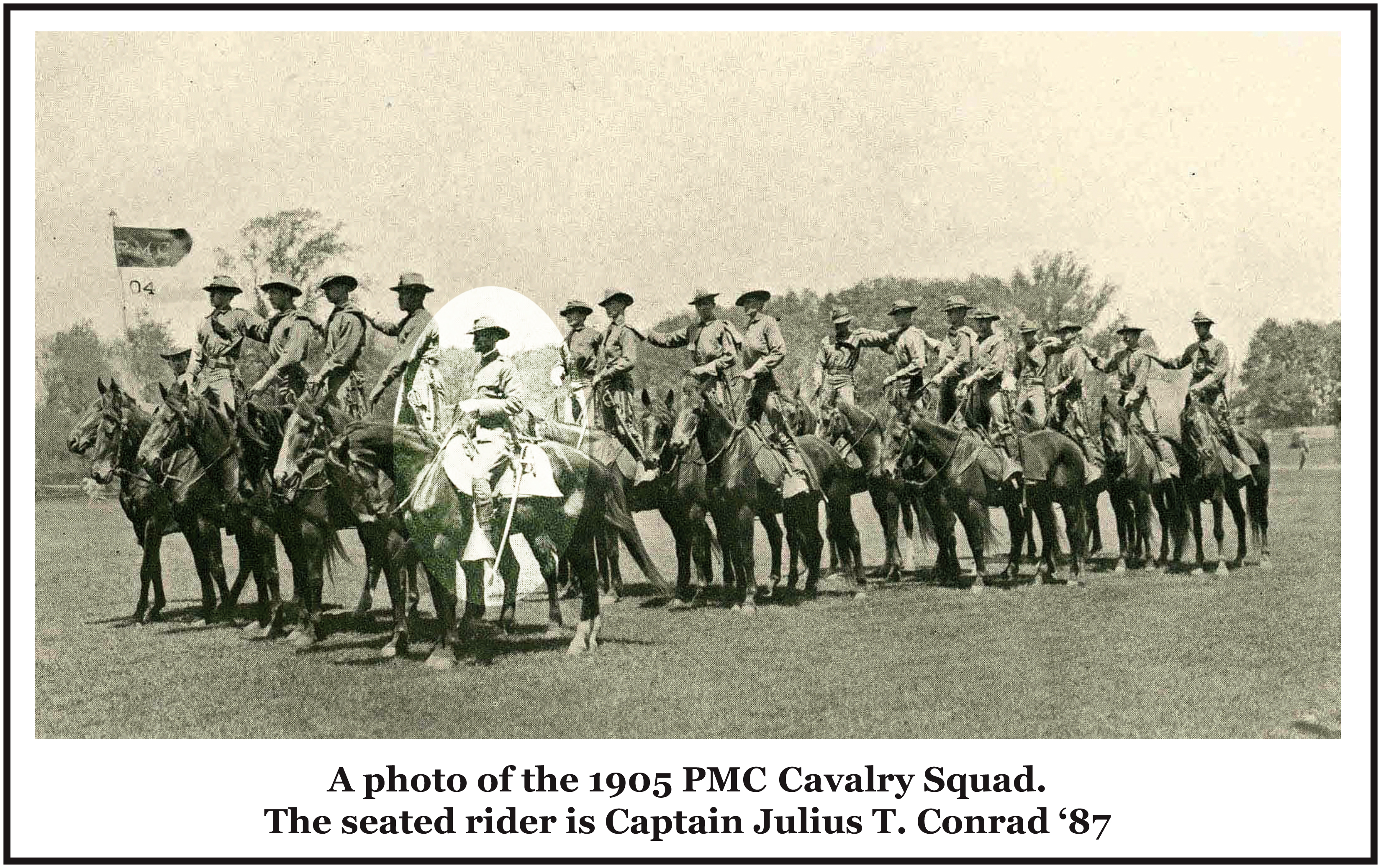 During the Spanish-American War, the 3rd Cavalry was one of five cavalry units assigned to the crucial assault on San Juan Heights. Three troopers in the regiment were killed and 52 wounded in the action, including 2nd Lt. Conrad, who was shot in the ankle. Conrad was also one of five troopers in the battle awarded a Silver for distinguished gallantry.
 3rd Squadron, Troop K, 3rd Cavalry Regiment